

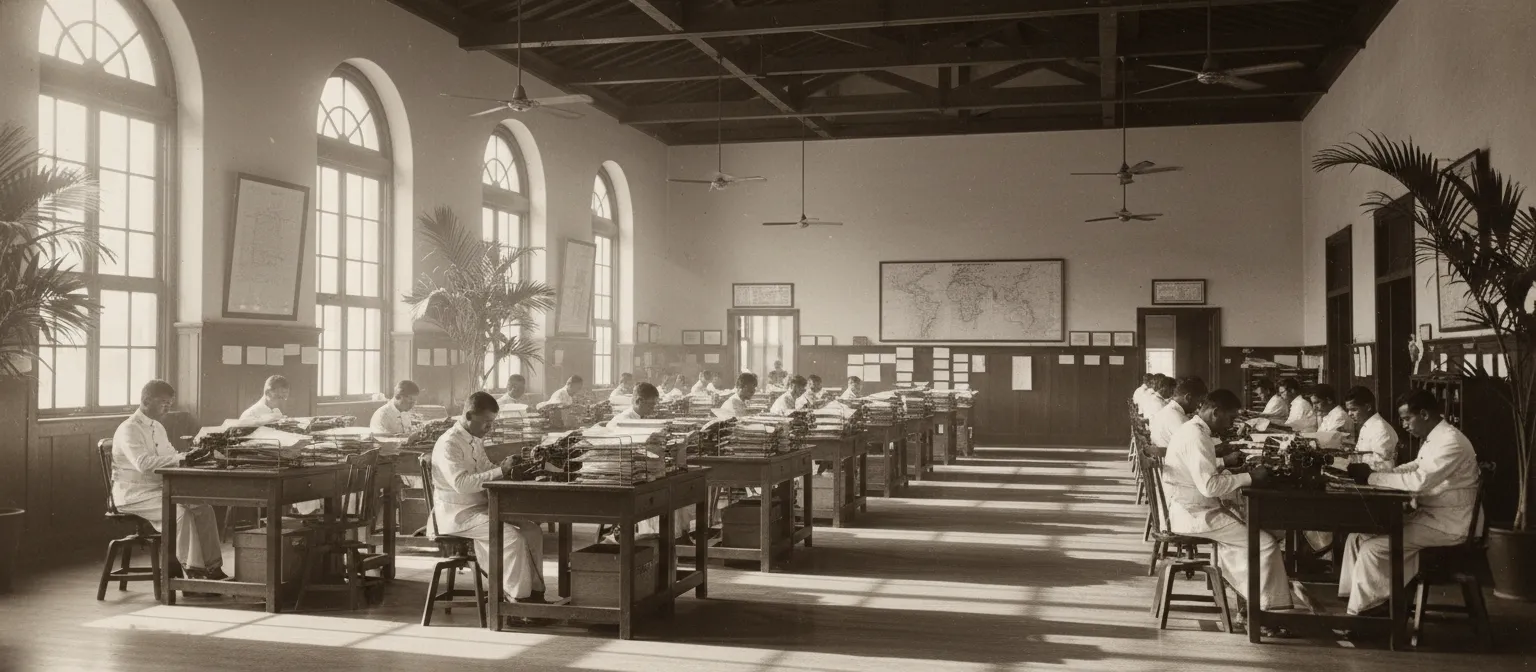
Early Administration
Circa 1950
Staff processing travel records on manual typewriter desks at the old Colombo headquarters.
The governance of Ceylon's borders evolved dramatically through successive ordinances, designed to regulate the influx of labor and protect national interests. This legal framework laid down the foundations of modern sovereignty.
Following independence, the promulgation of the Immigrants and Emigrants Act No. 20 of 1948 culminated in the formal establishment of the Department of Immigration and Emigration in October 1949, ushering in a structured era of passport control, citizenship adjudication, and modern statehood.
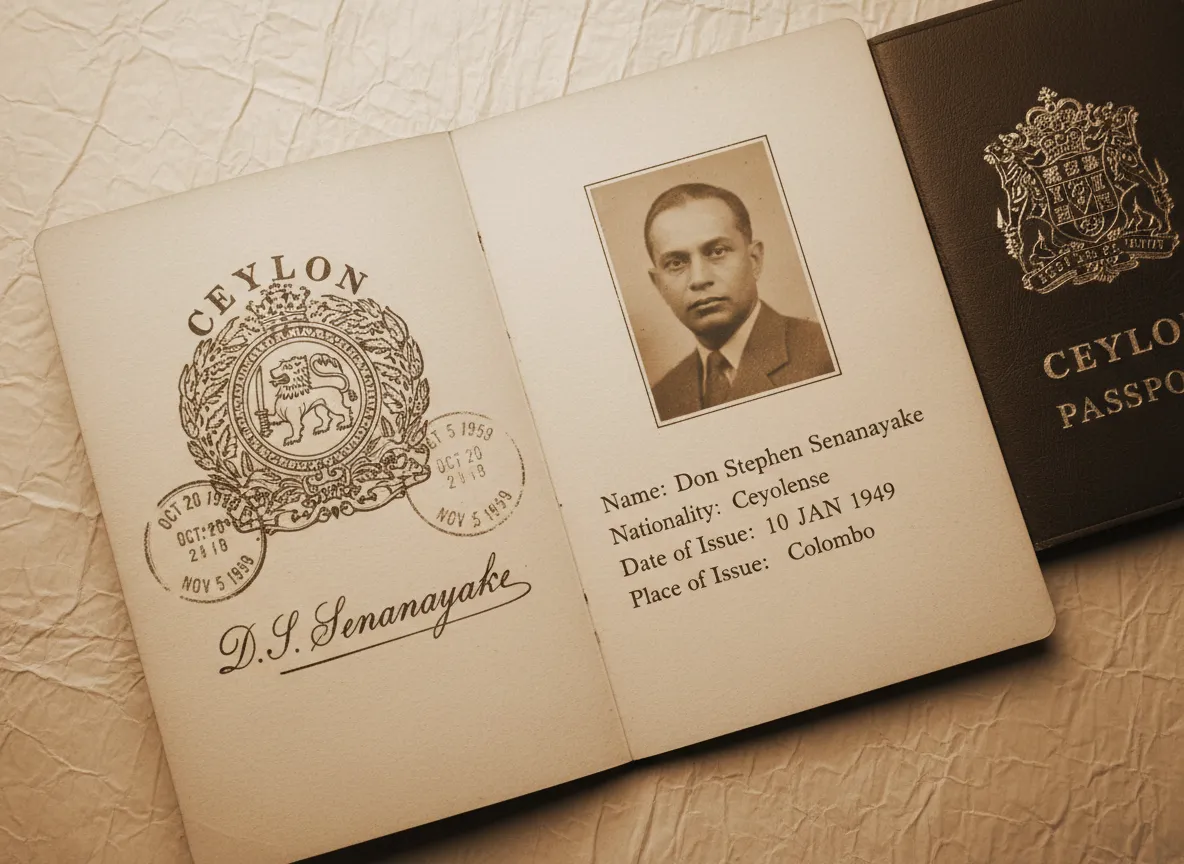
““The Department of Immigration and Emigration was established in October 1949 to implement the provisions of the Immigrants and Emigrants Act.””
With this historic shift, the issuing of British passports ended and the new Ceylon Passport came into use, signifying complete border administrative independence.
Staff processing travel records on manual typewriter desks at the old Colombo headquarters.
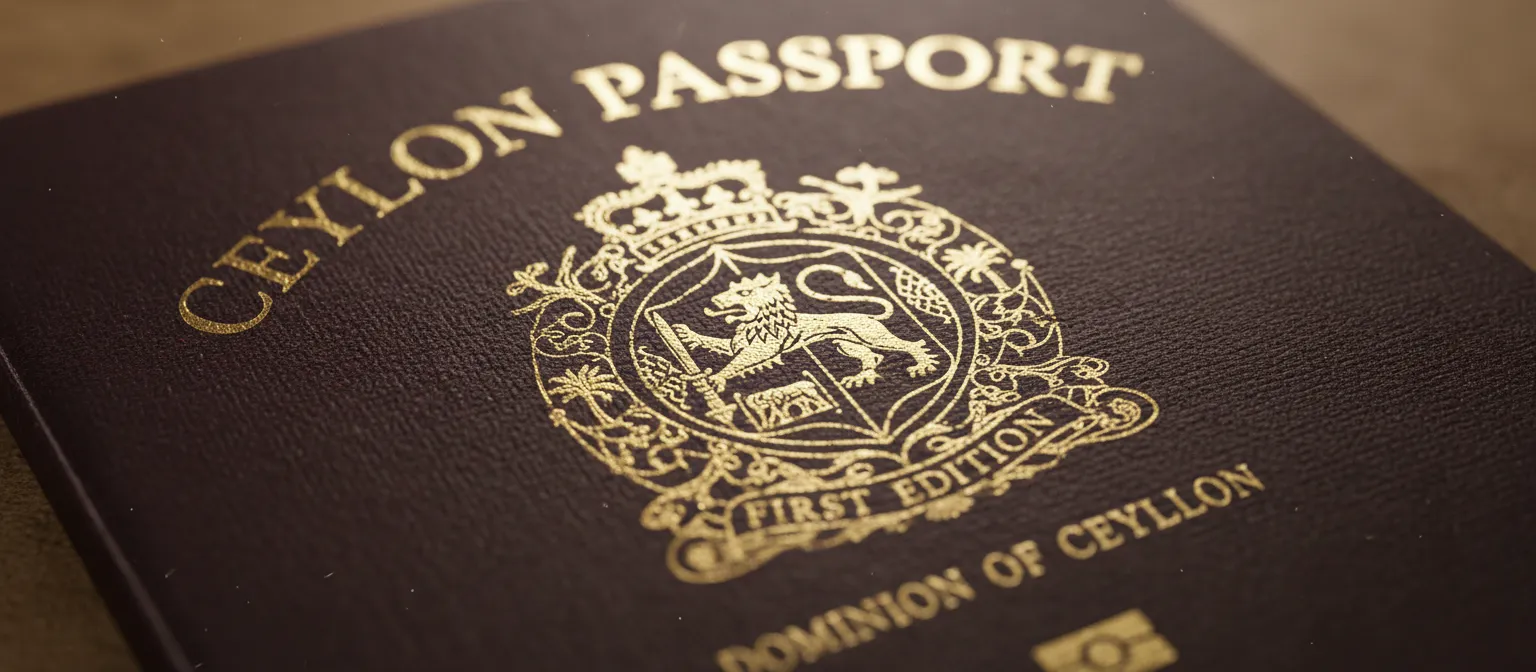
The first edition of the official Ceylon Passport featuring traditional gold-leaf printing.
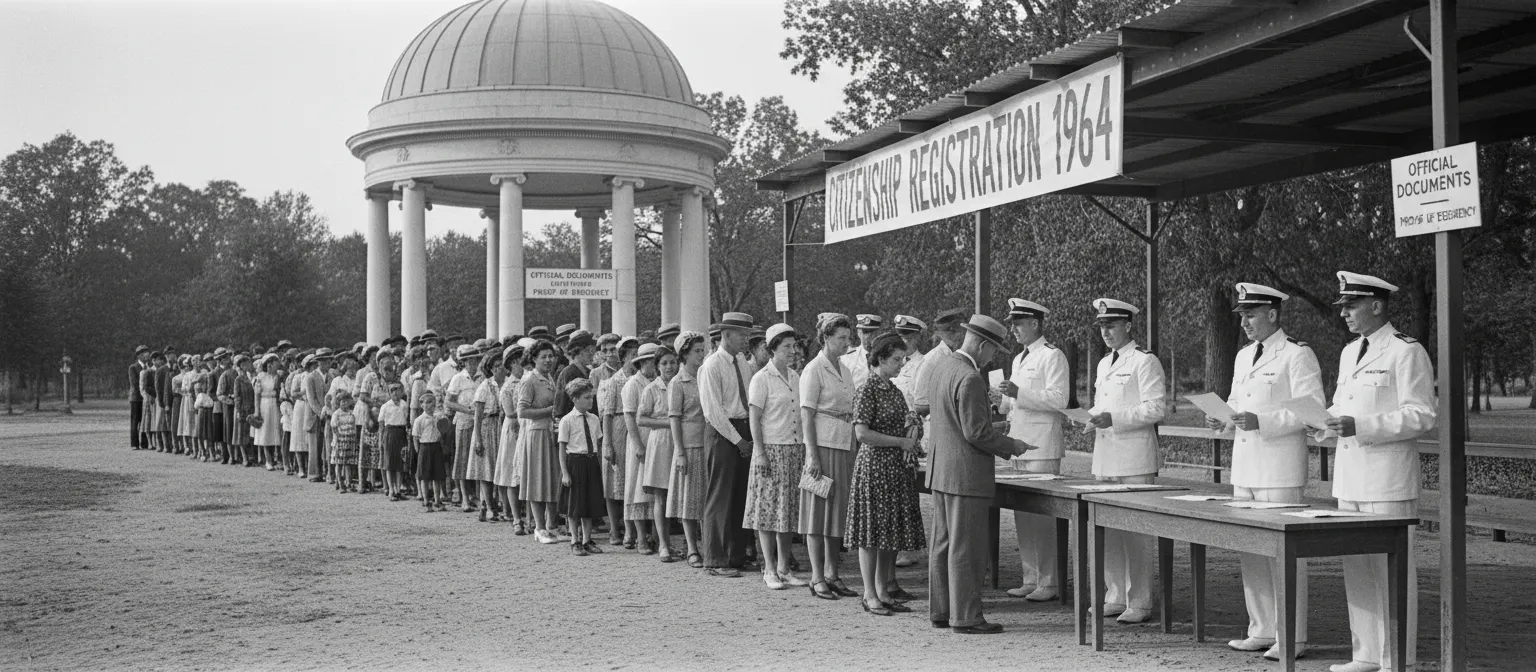
Registration of residents following the historic bilateral agreements on stateless populations.
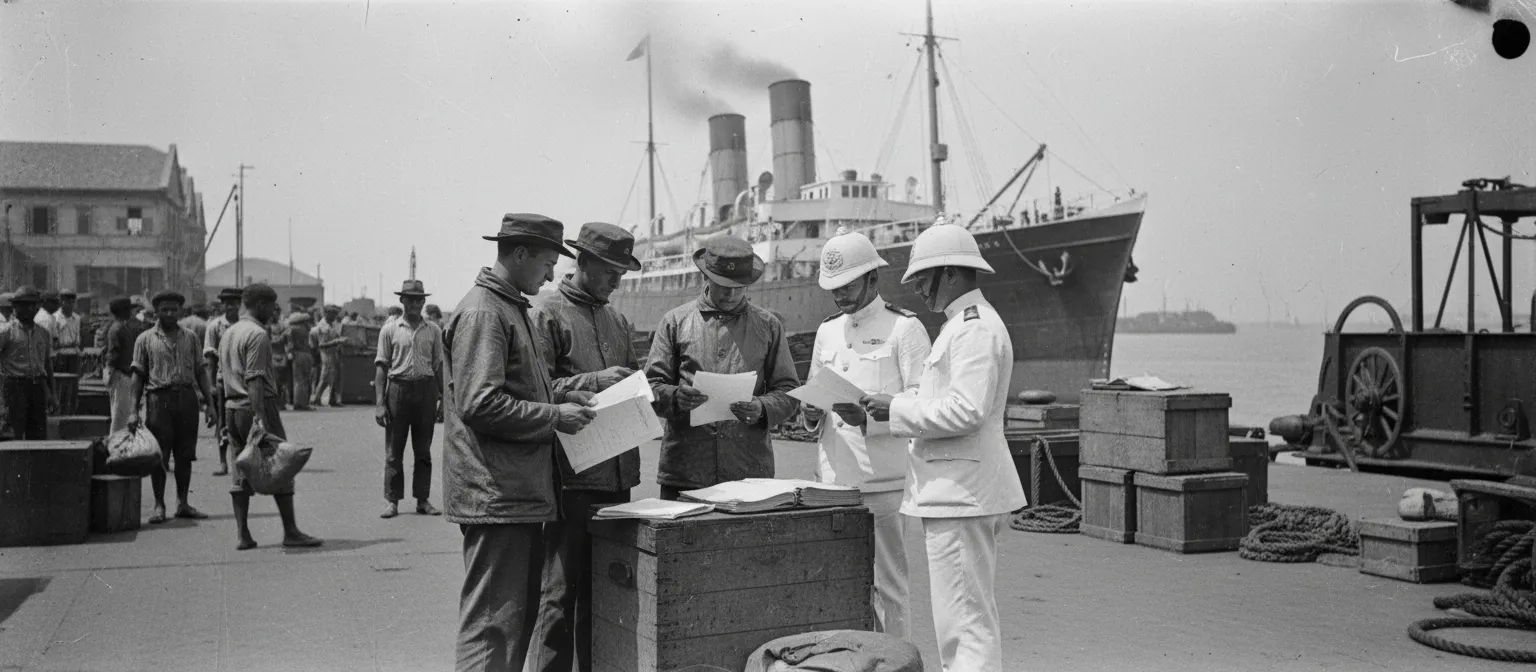
Immigration officers validating maritime arrivals at the busy Colombo Port docks.
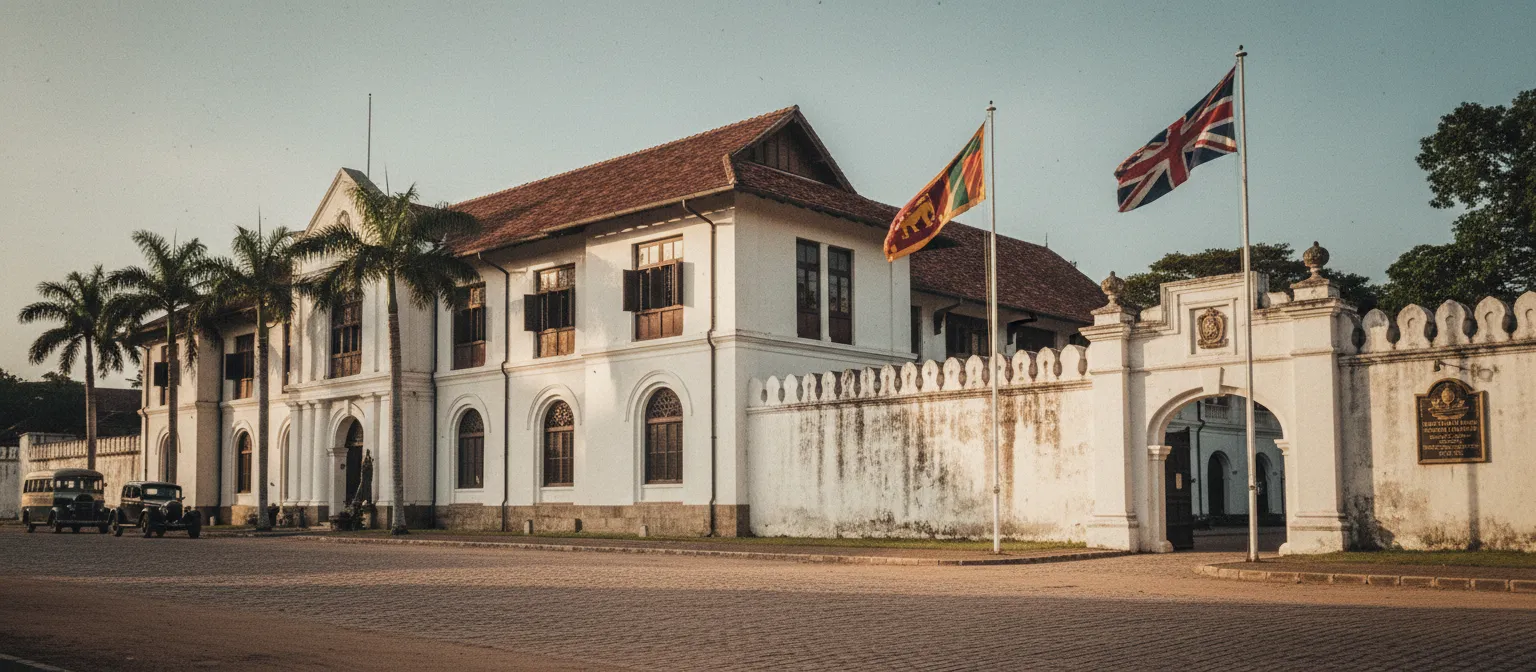
Exterior of the Department's former high-walled headquarters in Colombo.
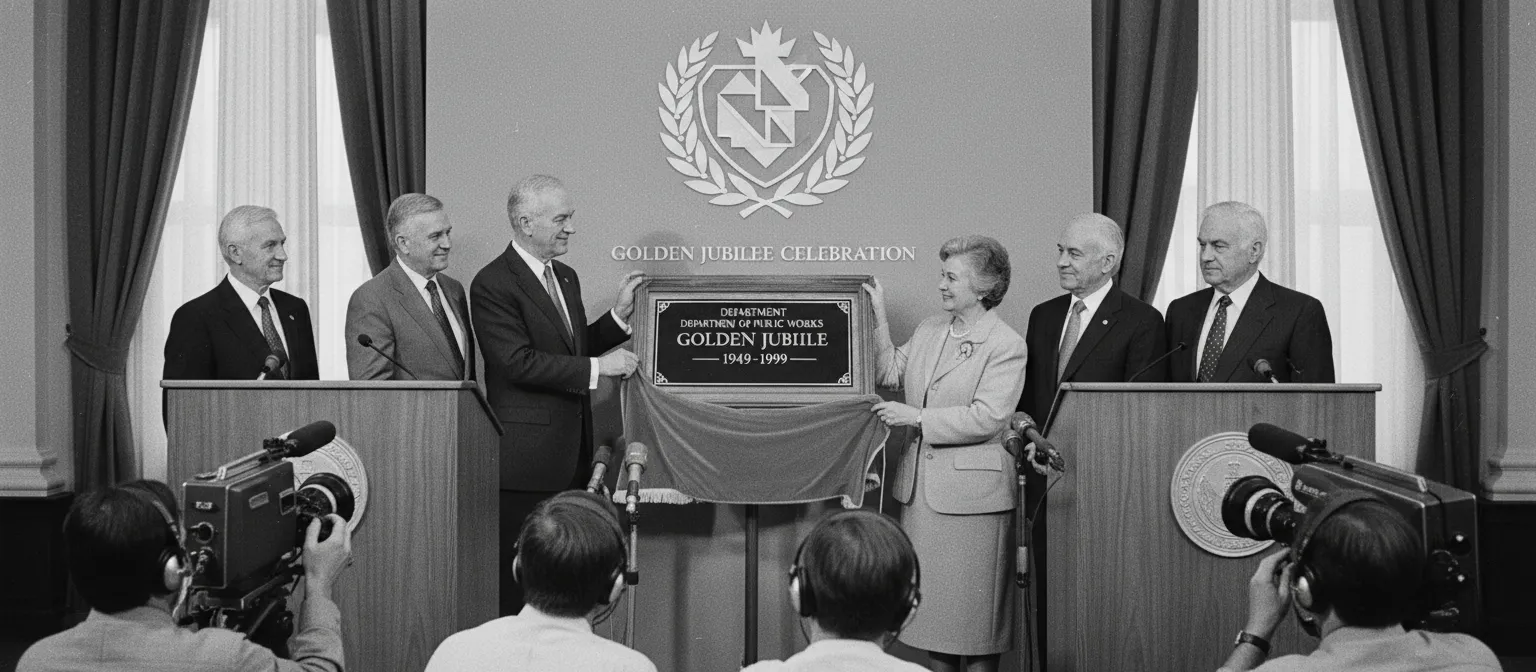
Press conference celebrating the department's golden jubilee anniversary.
Overseeing and administering the legal entry, visa issuance, residential authorization, and tracking of foreign nationals within our borders.
Regulating safe and compliant departures, monitoring outbound travel channels, and implementing bilateral labor migration rules.
Manufacturing, issuing, and renewing secure, machine-readable travel credentials and diplomatic passports for citizens.
Adjudicating citizenship applications, registering births abroad, and administrating formal naturalization certifications.
The constitutional shift of 1972 transformed the sovereign identity of the nation, prompting corresponding changes to passports, nationality structures, and administrative sovereignty.
In 1972, Ceylon severed its final colonial constitutional ties, promulgating a new constitution that established the free, sovereign, and independent Republic of Sri Lanka. The historical title 'Ceylon' gave way to 'Sri Lanka', triggering a complete overhaul of nationality definitions and travel document designs.
““Passports issued post-1972 proudly bore the emblem of the new republic, signaling to global border administrators the emergence of a fully independent national identity.””